

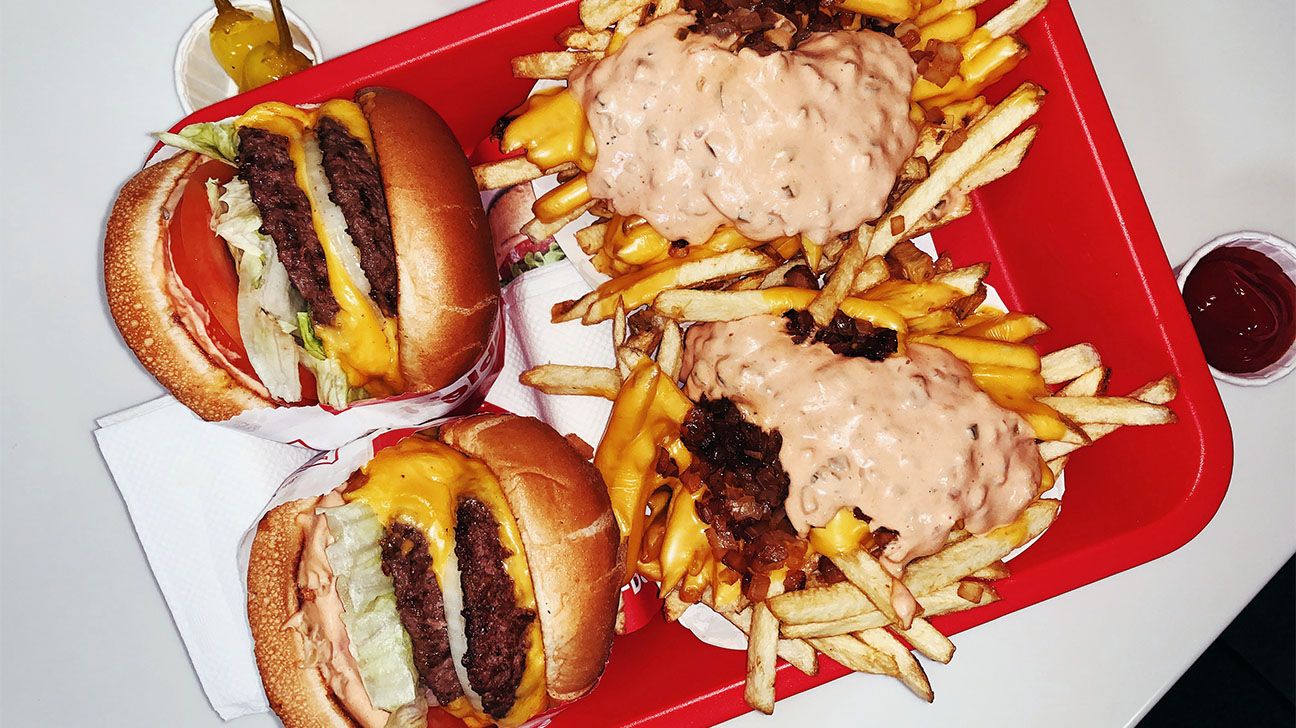
- A new study concluded that highly engineered consumables could be just as habit-forming as tobacco products.
- The researchers discovered that these foods are formulated to maximize pleasure and accelerate the absorption of reinforcing ingredients.
- The habit-forming quality of these foods suggests they promote uncontrollable eating and hinder appetite regulation.
- The researchers suggest that ultraprocessed foods should be subject to policies akin to those for cigarettes.
At present, there is not a agreed-upon description of UPFs. Some people describe them as products that contain additives you would not typically use in a home kitchen, like emulsifiers and additives.
Numerous experts employ the NOVA system to identify ultraprocessed foods. This refers to products that are “formulations of ingredients, mostly of manufacturing origin, typically produced by a set of factory processes and methods.”
One new review featured in The Millbank Quarterly indicated that UPFs are potentially just as habit-forming as tobacco products.
“I agree with this research, as ultra-processed foods are specifically engineered to be extremely attractive to many consumers,” commented a weight loss specialist who was not involved in the study.
Data from 2023 estimates that more than 73% of the food supply in the America is classified as ultraprocessed.
“Tobacco and ultraprocessed foods are not just whole foods but scientifically formulated consumable products designed specifically to maximize biological and psychological reward and compulsive consumption,” wrote the new study’s scientists.
Are UPFs Habit-Forming?
The review integrated findings from addiction, public health history, and nutrition to identify textural and compositional characteristics that boost the reinforcing potential of both tobacco and UPFs.
“Not everyone is ‘addicted’’ to these foods, but for a meaningful minority, they trigger classic addiction-like behaviors: intense desires, inability to stop, and continued use despite harmful consequences,” commented a preventive cardiology dietitian.
“These products are purposely formulated with processed carbohydrates, added fats, sodium, and taste additives to maximize reward and repeat consumption, and the industry employs aggressive marketing tactics, especially targeting young people,” she added.
Scientists focused on several important factors:
- delivery speed
- hedonic engineering, or creating products to be irresistibly good
- dose optimization
- environmental ubiquity
- deceptive reformulation, or “health washing”
They found that, similar to cigarettes, UPFs are fine-tuned to deliver the right dose of sugar.
“Processed carbs stimulate the feel-good chemical production through the a key neural pathway, whereas fats achieve this through intestinal lipid sensing,” the authors wrote.
“… UPFs with significant amounts of refined carbohydrates and added fats are some of the most strongly reinforcing substances in the modern diet. It is key that this processed carb and fat combination is almost nonexistent in nature.”
The way such products rapidly deliver “pleasure-inducing” chemicals to the brain makes them likely habit-forming, similarly to cigarettes.
The review explained that while cigarettes are designed to deliver nicotine rapidly, ultraprocessed foods are engineered to be broken down and absorbed quickly, as they usually have little to no fiber. This allows for the system to process fat and sugar more quickly.
The researchers also explain that ultraprocessed foods give intentional flavor bursts that fade quickly and mouthfeels that melt in your mouth. This collectively works to trigger more dopamine and prompts individuals to consume additional amounts.
‘Wellness Branding’ in Cigarettes, UPFs
According to the analysis, both the cigarette and processed food industries have long used a strategy known as “health washing.”
This is when goods are advertised and altered to generate an perception of less danger while preserving the essential addictive properties.
This tactic in the tobacco industry became popular in the mid-20th century with the introduction of filters on cigarettes.
They were sold as safety features that would catch harmful substances before they entered the lungs. Actually, filters provide little significant protection.
However, people typically adjusted by taking bigger puffs or smoking more frequently, which offset any decrease in harmful intake.
Food manufacturers has taken a similar strategy. It uses packaging claims such as “low fat” or “sugar-free” to promote UPFs.
However, these items often retain the very addictive ingredient combinations. The problem is that these reformulations offer a surface-level appearance of wellness while the product’s addictive structure and metabolic harms persist unchanged.
Ought UPFs Be Regulated?
The authors noted at the end of their paper that nourishment and smoking products are fundamentally different.
Nevertheless, they warned that some UPFs act like engineered consumables rather than actual food. They proposed that health regulations ought to acknowledge this reality.
“Tobacco offers a cautionary tale, and smoking regulations provides a source of hope,” the authors stated.
Because of regulations, cigarette use levels in the United States have declined and have “altered public perception of tobacco and eroded trust in the industry.”
“It is my opinion greater awareness regarding the negative impact of UPFs is crucial to reduce public intake and enhance population wellness. The strategies employed to curb cigarette use have been effective and may be a useful model for ultra-processed foods as well,” commented one expert.
“It is not my view UPFs should be regulated exactly as cigarettes, but they do warrant stronger, tobacco-inspired measures: marketing restrictions, clear packaging warnings, tighter standards on health claims, and restrictions in educational institutions or hospitals,” added another nutrition professional.
The researchers pointed out to people that lightly altered and unprocessed foods have supported our well-being for millennia.


